Debriefing Resource Center

Cumulative Care Taking Trauma highlights the insidious nature of repeated exposure to trauma within the nursing profession.
In a system where trauma is an occupational baseline, debriefing is no longer an add-on. It is our primary safety protocol for quality and clinician well-being.
It’s not just one bad shift but the slow weight of many and because of this we must treat every interaction as trauma-present.
We urge you to care for one another by utilizing debriefing as an intervention to address trauma. We are here to support you through the depths of this work.
Cumulative Care Taking Trauma®

Overexposure of abnormal and traumatic events with no time for
Acknowledgement
Discussion
Processing
Recovering (a sense of internal safety)
Normalizing the use of support resources
That results in physical, emotional and spiritual suffering

When: Suggested Events for Debriefing
Rapid Response, Cardiac Arrest, Unexpected Outcome

Stressful or challenging interaction with patients, families or colleagues

Abuse and intimate partner violence

Safety Concerns

More than one severe event within a short period of time
Massive hemorrhage

Any event in which an individual asks for a debriefing

What specific events warrant debriefing within your organization?
Talk about this with your team. Formulate criteria regarding when to initiate a clinical debriefing.

Best Practices to Support Debriefing
These ideas are shared with recognition that all spaces and environments are set up differently, and it may not be possible to reach all of these.
Don’t let environmental limitations hold you back from facilitation.
Debriefing Environments
Many professional guidelines, such as those from the Agency for Healthcare Research and Quality (AHRQ) or ACT Government Health, recommend using both hot and cold of debriefings concurrently to balance immediate support with long-term systemic learning.
National Institute of Health, 2026
Where
Private space outside of the patient care environment
Single entry/exit for control of dynamic and follow-up
When
Hot: Immediate | First 10 minutes post-critical event, under 12 minutes for those directly involved
For high accuracy recall involving safety concerns that require urgent attention
Normalizing the need for future support resources
Cold: Delayed | Occurs 24 hours - weeks
Open to all, provides safer psychological environment and in depth analysis

The resources above are intended to be a start pointing for debriefing and caring for clinicians.
For in-depth training and support, host our program, Debriefing for Sustainability in Healthcare at your organization.
Debriefing for Sustainability in Healthcare
A collaborative program created by Debriefing the Front Lines and Your BIRTH Partners
-
Explain how debriefing contributes to improved quality of care, patient safety, team communication, emotional well-being and mental health of healthcare providers.
Facilitate a structured debriefing using the ADPRN Framework to address clinical quality, patient safety and team well-being.
Explore strategies that foster psychological safety and foster environments that promote sharing of experiences and clinician well-becoming.
-
Phase 1: Current Landscape & Workflow
Phase 2: Engagement & Welcome Journey
Phase 3: Training & Ongoing Support
Schedule a meeting to learn more and discuss hosting a training at your organization.
-
The literature indicates successful debriefing programs are implemented in stages, team focus and use a clear structure (Coggins et, all 2021)
This relational approach offers ongoing support for the designated site champions to ensure real world application.
-
This training equips staff, leaders, educators, hospital-based nurse coaches, safety officers, risk management, chaplains and well-being champions with the tools needed for direct clinical implementation.
Debriefing for Sustainability in Healthcare is a structured, 3-phased organizational approach to implementing a sustainable clinical debriefing program.
Moving beyond a standard script, it establishes a comprehensive system that aligns with Joint Commission High Reliability and Culture of Safety Standards by focusing on clinical quality, patient safety and clinician well-becoming.
Host a Debriefing Training at your organization

Establish a culture that embodies trauma-informed care for patients and clinicians.
Process trauma and our responses
Rebuild psychological safety

Sustain emotional well-being

Recognize healthcare as a trauma exposed profession and acknowledge our shared humanity

An overview
The ADPRN
Debriefing Framework™️

A comprehensive training inclusive of quality, safety and clinician well-being that guides healthcare teams through structured, trauma-informed debriefing.
ADPRN equips clinicians and leaders with the tools needed for direct clinical implementation.
1. Acknowledge Our Humanity
Recognize the emotional impact of caregiving and create space for empathy.
Built on Five Core Principles
2. Discuss Quality and Safety Freely
Encourage transparent reflection in a retaliation-free environment.
3. Process Experiences and Emotions
Transform difficult events into opportunities for examining quality and safety for future outcomes.
4. Recover a Sense of Safety
Restore equilibrium through peer-to-peer co-regulation and trust-building.
5. Normalize Supportive Resources
Integrate mental health tools as essential components of professional practice.
The ADPRN Debriefing Framework™️ is currently in 11 states across the country!
Including 13+ units throughout the state of Maryland with 100+ facilitators trained and growing!
Debriefing for Sustainability in Healthcare
Meet Your Facilitators
Tara and Maggie have worked together as consultants supporting the Mid-Atlantic Patient Safety Center in numerous grant funded Trauma-Informed Leadership Trainings and a statewide Perinatal Debriefing Initiative. Through these projects Tara and Maggie created the program, Debriefing for Sustainability in Healthcare.
Together they are championing debriefing as communication tool to address trauma in healthcare through clear frameworks, practical tools, and research-backed language that guide interventions, trainings, and ongoing study, laying the foundation for debriefing as a national standard of practice.
Outside of this endeavor, Tara and Maggie are part of a collective planning The Unconference: Nurse Leadership Retreat in Feb 2027.


Tara Ryan Kosmas
she /her
MSN, RN, NC-BC, CHSE, SOAR
Founding Executive Director, Debriefing the Front Lines
Life as a burn survivor shaped Tara’s experience and led her to the nursing profession. Tara’s experience spans 21 years and includes burns, academia, peer support and debriefing.
In 2020, sixteen days after a global pandemic was declared, Tara began Debriefing the Front Lines. She has since built a team of board certified nurse coaches and together they offer debriefing, sobriety support and education to individuals and healthcare systems.
When not championing change, find Tara soaking in the sun, swimming in the gulf, collecting sharks teeth, chasing her animals and tending to her kosmic garden alongside her husband (and Debriefing the Front Lines co-founder, Nik)

Maggie Runyon
PhD, RNC-OB, CYT-500
Founding Executive Director, Your BIRTH Partners
Maggie Runyon (she/her) is a nurse, educator, writer, and speaker.
She began her nursing career in 2009 and has since practiced in hospitals and communities around the country, primarily in labor and birth environments. Maggie loves educating, mentoring, and learning alongside other nurses. She recently published her first book, I Thought I Was Here to Help: Unveiling the Healthcare System, Unleashing the Nurse Advocate, which chronicles her early career journey and the lessons she has learned through it.
Her advocacy focuses on improving perinatal care in hospital environments through trauma-informed care, community collaboration, and reflection on nurse identity. When she's not dreaming up good trouble with other changemakers, she's doing yoga, reading a book, traveling, indulging in delicious food, soaking in fresh air outside, or hanging with her awesome partner and kids.

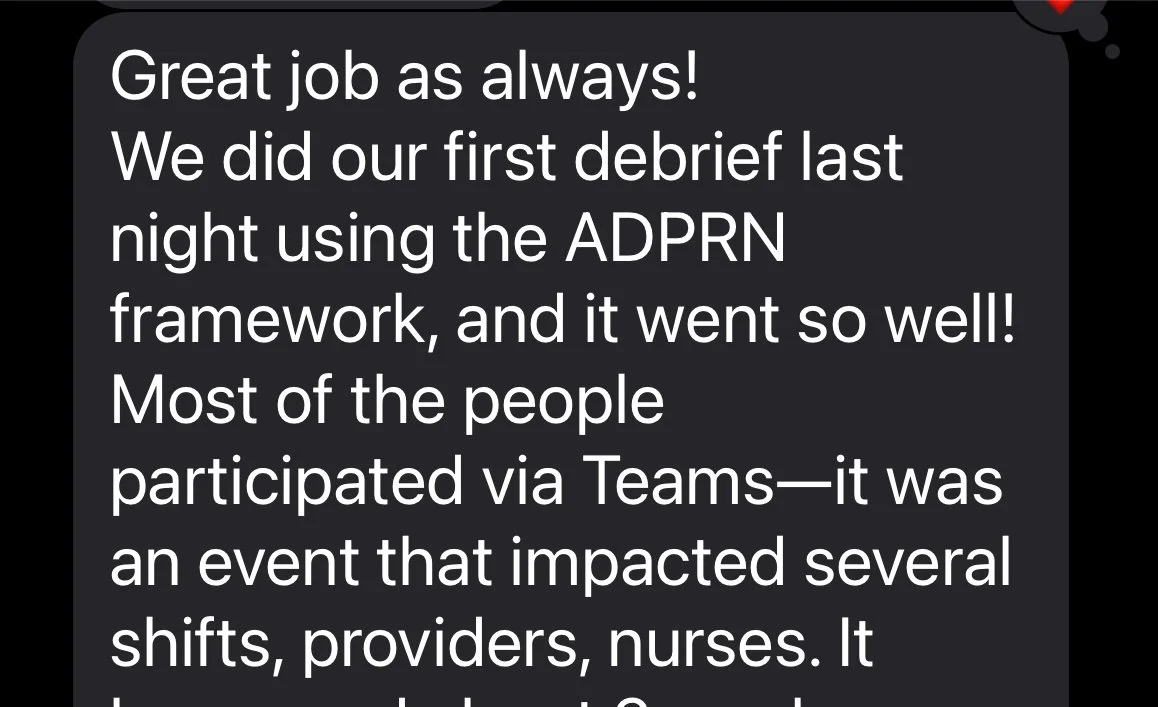
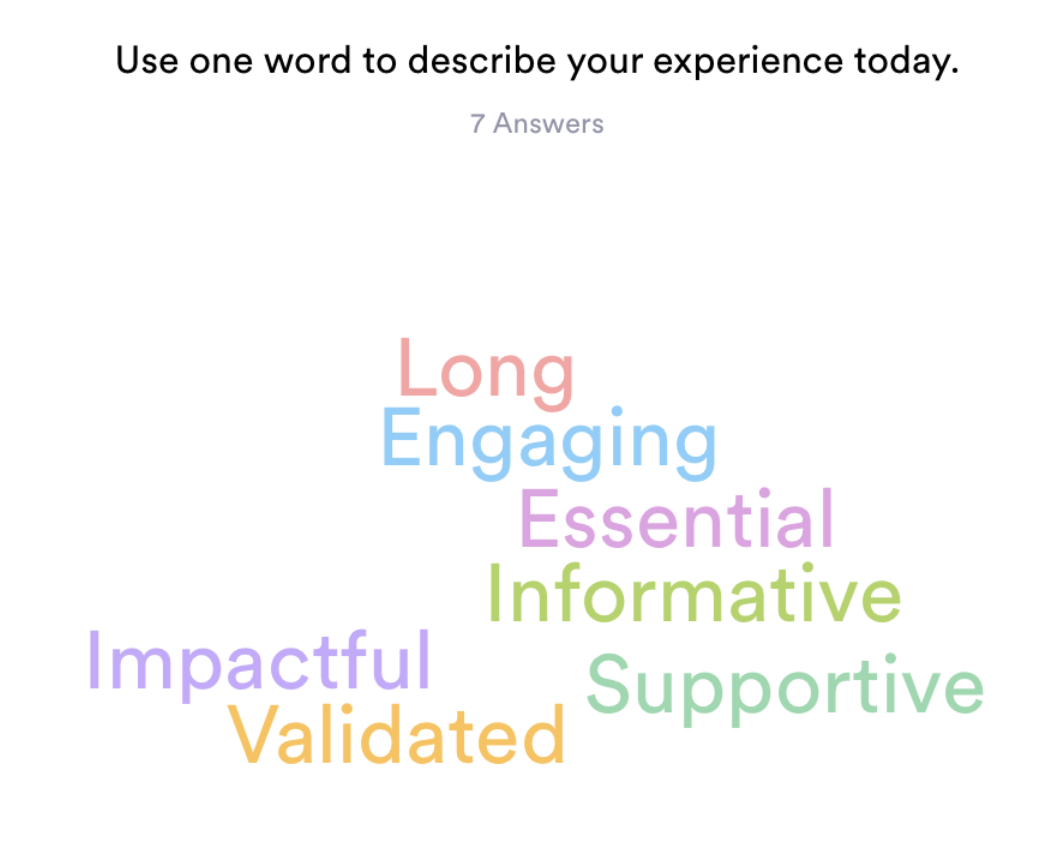
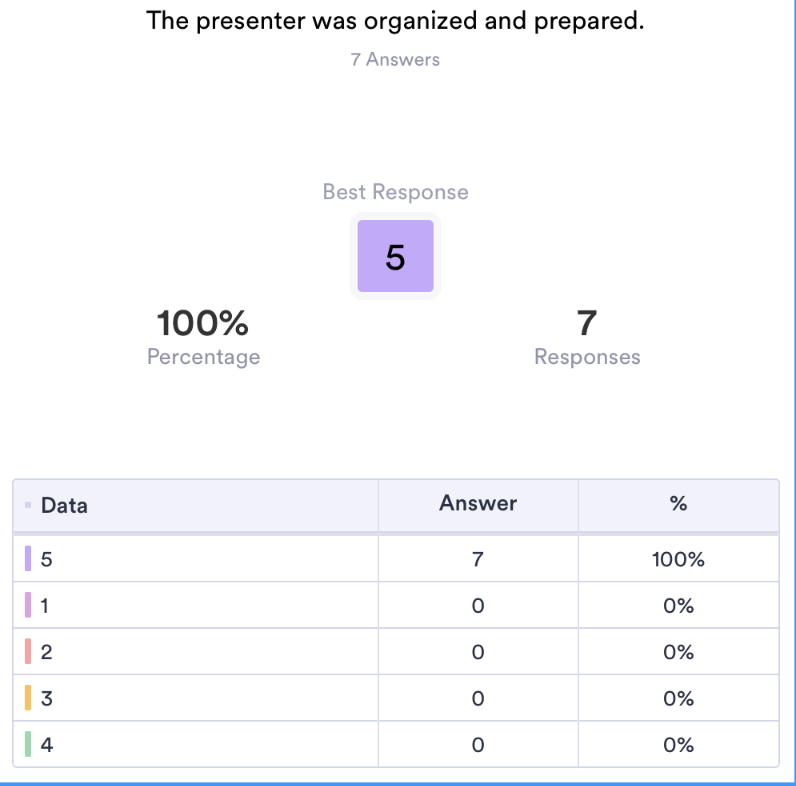
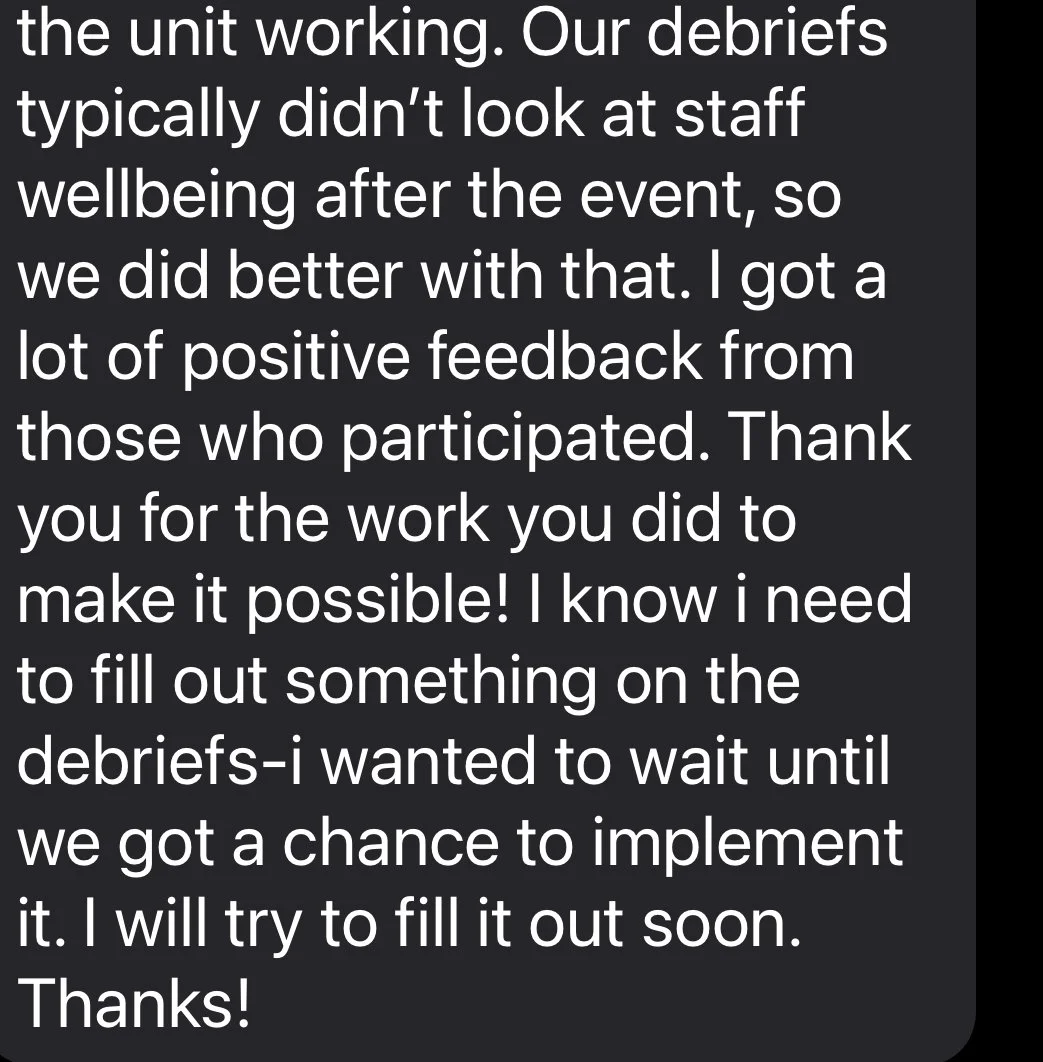
Here’s what participants are saying